Google Veo 3.1: The Vertical Video Era Begins
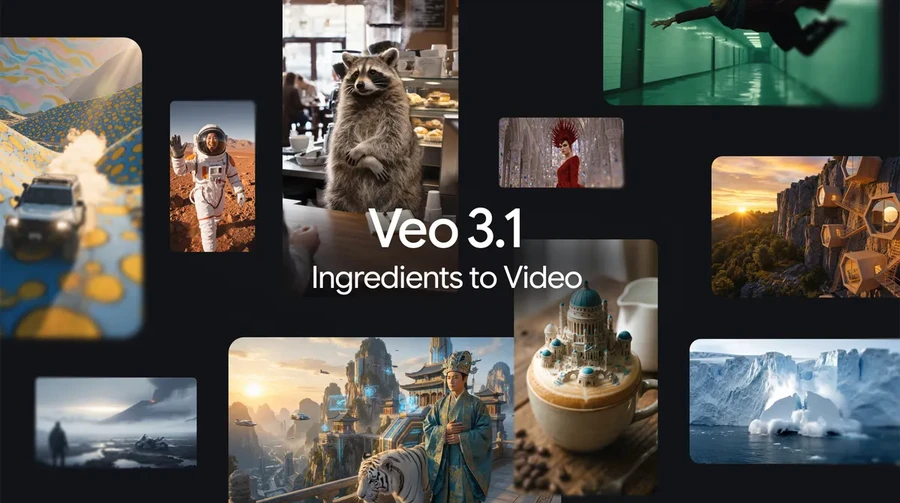
Google continues to accelerate its push into generative video. The latest update, Veo 3.1, directly targets the creator economy by introducing native support for vertical formats and high-definition upscaling.
As competition heats up between Sora, Kling, and Runway, Google is focusing on utility. The new features in Veo 3.1 suggest a pivot from purely experimental research to practical, platform-ready tools for content creators on TikTok and YouTube Shorts.
The standout feature is native support for the 9:16 aspect ratio. Previously, generative models often defaulted to widescreen formats, requiring cropping that degraded quality. Veo 3.1 understands vertical composition, framing subjects specifically for mobile screens. This allows creators to generate ready-to-post content for Shorts and Reels without post-production cropping.
Resolution has been a bottleneck for AI video. Veo 3.1 introduces a new upscaling pipeline that outputs pristine 1080p video. This addresses the "AI fuzziness" often seen in generated backgrounds and fine details, making the output suitable for professional commercial work.
Reference image fidelity has historically been hit-or-miss. The update significantly improves reference image-based generation, allowing users to upload a starting frame or character reference that the model adheres to more strictly. This is crucial for brand consistency and narrative storytelling where character permanence is required.
Veo's continued progress highlights the rapid commoditization of video generation. With 1080p becoming the baseline and format flexibility (vertical/horizontal) becoming standard, 2026 is shaping up to be the year AI video enters the mainstream production workflow.